Understanding the Office of Compliance
📅 2026 Update: Recent Changes in Compliance and Government Structure
Since the original article on the Office of Compliance was written, several significant changes have taken place within the U.S. government. New executive orders and initiatives have reshaped how federal agencies operate. These changes aim to enhance efficiency, accountability, and transparency in government processes.
The details of the earlier article continue further down the page. Here are the most important updates relevant to understanding compliance within government agencies.
📊 🆕 Enhancements in Federal Workforce Efficiency
On February 11, 2025, President Donald J. Trump signed an Executive Order to launch the Department of Government Efficiency (DOGE). This initiative aims to improve the effectiveness of the federal workforce.
The goal is to ensure better use of taxpayer funds and achieve significant savings.
🔍 📜 Accountability in Federal Agencies
Another Executive Order signed on February 18, 2025, mandates that all federal agencies must be accountable to the public. This requires them to submit draft regulations for White House review. Agencies must also consult on their priorities and strategic plans, enhancing transparency in their operations.
🔄 📈 New Employee Classifications
A key change occurred on July 17, 2025, with the introduction of "Schedule G" employees. This new classification focuses on non-career federal workers who help implement administration policies. It allows for more flexibility in hiring and aligns with the administration's goals.
📉 🚫 Reducing Waste and Fraud
On March 20, 2025, an Executive Order aimed to eliminate information silos within federal agencies. This initiative is designed to reduce waste, fraud, and abuse. By promoting data transparency and collaboration between agencies, the government aims to enhance compliance and oversight.
📌 Summary of Key Updates
- 🚀 Executive Order established the Department of Government Efficiency (DOGE).
- 📜 New accountability measures for federal agencies were put in place.
- 👥 Introduction of "Schedule G" classification for non-career workers.
- 🔄 Efforts to eliminate information silos to combat waste and fraud.
💡 Tips for Navigating Government Compliance
Reviewing the details of your situation with an attorney can clarify your needs in compliance matters.
📝 ⚙️ Understand New Regulations
Stay informed about new regulations that affect compliance. Recent Executive Orders require federal agencies to submit draft regulations for review, which could impact how agencies operate.
📈 📊 Monitor Agency Accountability
Pay attention to agency performance and accountability. The recent requirement for federal agencies to consult on strategic plans ensures they remain answerable to the public.
🔍 📅 Check for Hiring Updates
Be aware of hiring freezes or changes within federal agencies. The hiring freeze was extended through July 15, 2025, affecting how quickly agencies can fill positions.
🧩 📂 Utilize AI Responsibly
With the new policies released for AI adoption in federal agencies, keep an eye on how these technologies are implemented. They aim to modernize government operations and may influence compliance procedures.
🔗 📞 Reach Out for Assistance
If you need help navigating complex compliance issues, consider reaching out to representatives at the Office of Compliance. They can provide guidance on filing complaints or applying for services.
🏆 CitizenPath Immigration Services Ranked by User Reviews (2026)
This section highlights services relevant to compliance, particularly regarding immigration and government assistance. The order reflects Trustpilot data from October 2026, indicating that star ratings may vary as customer experiences change over time. It's important to remember that unhappy customers often leave more reviews, which can skew perceptions.
🥇 1. CitizenPath Immigration Services
CitizenPath Immigration Services holds a Trustpilot score of 4.5. This service is known for providing assistance with immigration applications and document preparation. Reviewers often commend its user-friendly approach, making the immigration process easier to understand.
However, some users have reported issues with customer support responsiveness, which could affect your experience.
🆓 Free Government Assistance Options
The government provides various free resources for individuals seeking compliance assistance. These include informational websites and local offices where you can file complaints or apply for services. Utilizing these resources can save you time and ensure you receive accurate information.
🔍 Factors to Compare When Choosing Services
- 🔎 Trustpilot ratings and review counts.
- 🕒 Response times and customer support quality.
- 📑 Range of services offered, including document preparation.
- 🌍 Accessibility of services, including online options.
- 💬 User feedback on the effectiveness of services.
❓ Frequently Asked Questions
❓ What is the Department of Government Efficiency (DOGE)?
The Department of Government Efficiency (DOGE) was established by an Executive Order on March 4, 2025. Its mission is to enhance government productivity and ensure efficient use of taxpayer funds.
📑 How can I file a complaint against a federal agency?
You can file a complaint with the relevant federal agency directly. Many agencies have online portals or hotline numbers for this purpose, ensuring your concerns are addressed.
🔄 How does the new classification of Schedule G employees affect compliance?
The introduction of Schedule G employees allows for more flexible hiring practices within federal agencies. This change may lead to quicker implementation of compliance-related policies.
🗓️ What is the impact of the recent hiring freeze?
The hiring freeze, extended through July 15, 2025, may slow down the hiring process for federal agencies. This can affect how agencies manage compliance and service delivery during this period.
📉 What steps is the government taking to reduce improper payments?
The Biden Administration reported an estimated $236 billion in improper payments for Fiscal Year 2023. Efforts to enhance accountability and streamline processes aim to reduce these figures.
🔍 Where can I find more information about government services?
For more information on government services, you can visit official agency websites or contact local offices. These resources provide comprehensive guidance on compliance and related matters.
⚖️ Recent Court Cases Affecting Compliance
Several recent court rulings have influenced how compliance is enforced within federal agencies. These cases often highlight the balance between regulatory requirements and individual rights within the government framework.
- Florida Court Affirms Ruling in Platt v. Department of CorrectionsDistrict Court of Appeal of Florida · December 8, 2020
- Florida court upholds ruling in case against Department of CorrectionsDistrict Court of Appeal of Florida · January 13, 2021
- Florida court affirms ruling in Sneed v. Department of CorrectionsDistrict Court of Appeal of Florida · January 13, 2021
- Florida court upholds ruling in Sneed v. Department of CorrectionsDistrict Court of Appeal of Florida · January 5, 2021
Explore more recent rulings in the news section for additional insights. more rulings on the news page.
End of October 2026 Update
What is the Office of Compliance (OOC)?
The Office of Compliance is an Independent Federal Agency responsible for the regulation, oversight, and review of the terms, conditions, and activities concerning Congressional employment; akin to the required standards and practices expected of employment within the United States of America, Congressional employment is required to adhere to the same expressed legislation:
With regard to Congressional employment, the OOC undertakes the investigation and authorization of required policies required of employment within Civil Service; civil service is defined as any nature of government employment outside of military service or enlistment
OOC Quick Facts
Independent Federal Agencies are typically without a single director or executive; in contrast, independent government agencies – such as the OOC - are overseen by an executive directorial board; due to this fact, the Executive Branch retains less managerial oversight of the OOC than its agency counterparts. The following details outline the structuring of the OOC:
The OOC was founded in 1965 in accordance with the passing of the Congressional Accountability Act of 1965, which set forth procedural standards and practices required to be upheld by members of Congress; the Office of Compliance was the regulatory agency created in order to maintain this oversight
The headquarters of the OOC are located in Washington, D.C.
The OOC is administered by a 5-member administrative board, which is chaired by Barbara L. Camens – it is not uncommon for independent government agencies to include terms such as ‘Office’ in their respective title due to a group management structure in lieu of a single director
Independent Government Agencies
Independent Government Agencies are specific organizations and bureaus under the over arching jurisdiction of the Federal Government of the United States; however, these independent agencies are typically without a specified Department responsible for their respective oversight and administration:
Issues and Affairs Undertaken by the OOC
The foundation of the OOC was implemented in order to address matters concerning the required – and legal compliance – of both Congressional administration and employment standards required by law within the United States of America; the following legal and administrative matters and affairs are most commonly related to the operation of the OOC:
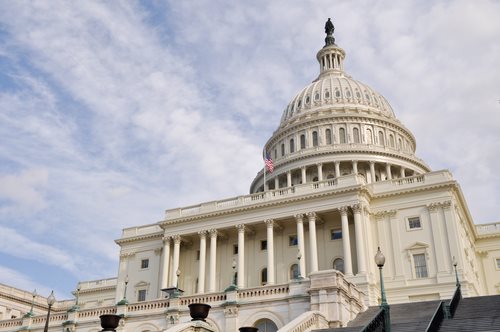
The OOC administers hiring and promotion practices enacted within Congress as per the Civil Service Act; this includes the implementation of – and adherence to – merit-based hiring and advancement
The OOC administers required statutory legislation concerning workplace safety and health with regard to Congressional employment
OOC: Legal Information and Further Assistance
The operation and administration of the OOC resides under the jurisdiction of the legal field classified as Administrative Law; this genre of law is primarily associated with events and circumstances in which the Federal Government of the United States engages its citizens, including the administration of government programs, the administration and operation of government agencies, and the establishment of a legal, regulatory federal standard.