Utah Department of Health
📅 2026 Update: Changes to Utah's Health Services
Since the original article was published, significant changes have taken place within the Utah Department of Health. Most notably, the department merged with the Department of Human Services to form the Utah Department of Health and Human Services (DHHS) in 2024. This merger aims to provide a more integrated system of services for Utah residents.
The earlier article continues further down the page, where you can find more detailed information about the Department's functions and how to access its services. Below are the most important updates that affect Utah's health services.
🏥 Consolidation into DHHS
In 2024, the Utah Department of Health merged with the Department of Human Services. This new structure, called the Utah Department of Health and Human Services (DHHS), is designed to streamline services. By combining resources, the DHHS aims to improve service delivery for public health and human services.
📞 Launch of the Utah Crisis Line (988)
In 2025, Utah introduced the 988 Crisis Line. This service provides 24/7 confidential support for individuals facing mental health emergencies. Calling 988 connects people to trained counselors who can help in crisis situations, making mental health support more accessible.
💵 Medical Cannabis Patient Voucher Grant
Beginning in 2026, the DHHS rolled out the Medical Cannabis Patient Voucher Grant. This program offers financial assistance to registered medical cannabis patients through nonprofit organizations. The initiative aims to help patients access their needed medications more affordably.
🏷️ Fees and Costs Update
As of October 2026, the DHHS has not specified the application fee for obtaining a medical cannabis card. The Baby Watch Early Intervention Program continues to have fees based on family income and size, but fees may be waived for families enrolled in Medicaid or CHIP.
📌 Key Points Summary
- Merger: Utah Department of Health merged with Human Services to form DHHS.
- Crisis Line: Utah Crisis Line (988) offers 24/7 support for mental health emergencies.
- Financial Aid: Medical Cannabis Patient Voucher Grant launched for registered patients.
- Fees: No specified fee for medical cannabis card application; Baby Watch fees vary.
💡 Helpful Tips for Accessing DHHS Services
Review the details of your own situation with your attorney to ensure you understand your options.
📝 Apply for Medicaid
To apply for Medicaid, visit the DHHS website. Follow the outlined steps to ensure your application is complete for faster processing.
🌿 Get a Medical Cannabis Card
To obtain a medical cannabis card, go to the DHHS Center for Medical Cannabis website. Make sure to follow the application process carefully to avoid delays.
📞 Use the 2-1-1 Utah Service
If you need help finding community services, contact 2-1-1 Utah. This free service connects individuals with resources for housing, food, childcare, and financial assistance.
🔍 Report Abuse or Neglect
If you suspect abuse or neglect, report it immediately. For adult abuse, call 1-800-371-7897. For child abuse, call 1-855-323-3237.
📅 Check Processing Times
For updated processing times for Medicaid and medical cannabis cards, contact the DHHS directly. They can provide the most current information available.
❓ Frequently Asked Questions
❓ What is the process to apply for Medicaid in Utah?
To apply for Medicaid in Utah, visit the DHHS website and follow the application process outlined there. Make sure to gather all required documents for your submission.
❓ How do I contact the Utah Crisis Line?
You can contact the Utah Crisis Line by calling 988. This line is available 24/7 for confidential support during mental health emergencies.
❓ Are there any fees for the Baby Watch Early Intervention Program?
Family fees for the Baby Watch Early Intervention Program depend on family income and size. Fees may be waived for families enrolled in Medicaid or CHIP.
❓ How can I report child abuse or neglect?
To report child abuse or neglect, call 1-855-323-3237. Your report will be handled confidentially, and it is important to act if you suspect abuse.
❓ What are the eligibility requirements for medical cannabis?
To be eligible for medical cannabis in Utah, patients must be registered with the DHHS and have a qualifying medical condition. Ensure you check the latest guidelines on the DHHS website.
❓ How can I get health information from DHHS?
For health information or resources for programs within DHHS, call 1-888-222-2542. Staff are available Monday through Friday from 8 a.m. to 5 p.m. to assist with your inquiries.
⚖️ Recent Cases Related to Health Services
Several recent court rulings have addressed issues related to health services in Utah. These rulings connect to the services and programs offered by the Utah Department of Health and Human Services.
- Florida Court Affirms Decision in Health Department CaseDistrict Court of Appeal of Florida · August 9, 2023
- Florida court affirms ruling on business regulation caseDistrict Court of Appeal of Florida · February 16, 2024
- Court rules on union's complaint against NYC Department of CorrectionAppellate Division of the Supreme Court of the State of New York · October 6, 2026
- Florida court denies Woodson's petition against corrections agencyDistrict Court of Appeal of Florida · January 14, 2020
For more recent rulings, you can check more rulings on the news page.
End of October 2026 Update
The Utah Department of Health has almost 1,000 employees. In 2009, Utah was ranked as the second healthiest state in the nation, according to a United Health Foundation report. The Utah Department of Health is committed to doing its part to make sure that citizens of Utah remain healthy.
The Utah Department of Health works alongside other State agencies and twelve local health departments. It monitors the quality of food, the air that is breathed, the water that Utahans drink, and outbreaks of infectious diseases and preventing the spread of these diseases. These programs are aimed at the general population, while other programs of the Utah Department of Health are targeted to aid specific segments of the population.
Some of these individuals targeted are mothers and children, providing immunizations and prenatal care when appropriate. The Department has the responsibility to license health care facilities to ensure that these facilities are safe, clean and able to care for the sick. The largest program that the Department of Health oversees is Medicaid.
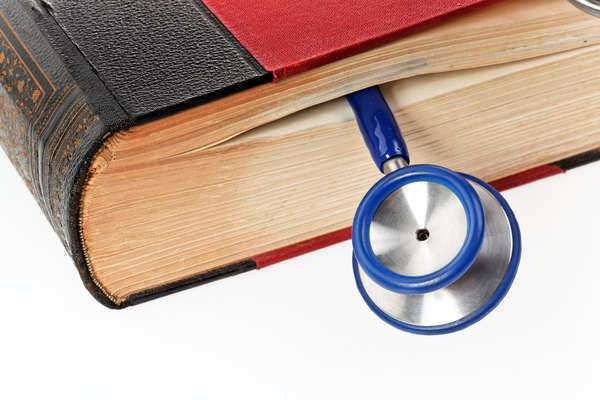
In addition, the Utah Department of Health promotes healthy living through educational programs out of the belief that when people have good information they can make good choices in regards to their health. The Utah Department of Health provides a broad range of activities, initiatives, and programs.
The vision of the Utah Department of Health is to achieve a Utah that is "a place where all people can enjoy the best health possible, where all can live, grow, and prosper in clean, safe communities."