Department of Agriculture
📅 2026 Update: Changes in the U.S. Department of Agriculture
Since the original article was published, there have been significant updates in the U.S. Department of Agriculture (USDA) and its programs. These changes aim to support farmers, ranchers, and agricultural producers across the nation.
The previous article continues further down this page, providing a foundation for understanding the USDA's functions.
🌾 Updates to Farm Loan Programs
On August 7, 2024, the USDA announced updates to the Farm Service Agency’s (FSA) Farm Loan Programs. These updates became effective on September 25, 2024. The aim is to enhance the financial viability of farmers and ranchers.
This change is part of a broader effort to support the agricultural community.
💰 New Payment Limits
As of June 3, 2026, the USDA expanded payment eligibility provisions. This includes treating certain business entities as "pass-through entities." The Agriculture Risk Coverage (ARC) and Price Loss Coverage (PLC) payment limit increased from $125,000 to $155,000 starting with the 2025 crop year. This change allows more farmers to benefit from these critical programs.
🏞️ Conservation Reserve Program Payments
On October 8, 2026, the USDA announced approximately $1.8 billion in payments through the Conservation Reserve Program (CRP) for agricultural producers and landowners for 2026. This initiative helps protect the environment and supports sustainable farming practices. These funds are vital for maintaining natural resources while assisting farmers financially.
🌱 Bridge Payments to Farmers
The Trump Administration announced $12 billion in one-time bridge payments to American farmers affected by market disruptions on December 10, 2025. Payments began reaching eligible farmers on October 1, 2026. This support aims to help farmers navigate the challenges posed by the changing market conditions.
📌 Key Updates Summary
- 🌾 Updates to Farm Loan Programs effective September 25, 2024.
- 💰 Increased ARC and PLC payment limit from $125,000 to $155,000.
- 🏞️ $1.8 billion announced for CRP payments in 2026.
- 🌱 $12 billion in bridge payments initiated for farmers.
💡 Tips for Navigating USDA Services
It's important to discuss your specific situation with an attorney. Understanding the rules and programs can help you make informed decisions.
📑 Know the Loan Options
Familiarize yourself with the various farm loan programs offered by the USDA. Each program has different eligibility requirements and benefits. Understanding these can help you choose the right option for your needs.
🕒 Stay Updated on Deadlines
Keep track of important deadlines for applications and payment programs. For instance, the expanded payment limits became effective for the 2025 crop year. Timely applications can ensure you receive the support you need.
🏞️ Explore Conservation Programs
Look into the Conservation Reserve Program (CRP) as a way to earn payments for environmentally friendly practices. This program supports sustainable agriculture while providing financial assistance.
💡 Utilize Available Resources
Take advantage of resources provided by the USDA and related organizations. They often offer guidance on loan applications, eligibility, and program benefits.
📊 Review Payment Limits Regularly
Be aware of changes in payment limits for programs like ARC and PLC. The recent increase to $155,000 could significantly impact your financial planning.
❓ Frequently Asked Questions
🚜 What programs does the USDA offer?
The USDA offers various programs, including farm loan programs, conservation initiatives, and insurance coverage for farmers. These programs aim to support agricultural production and sustainability.
🏦 How can I apply for USDA loans?
You can apply for USDA loans through the Farm Service Agency. Make sure to check the eligibility requirements and necessary documentation before applying.
🌱 What is the Conservation Reserve Program?
The Conservation Reserve Program (CRP) pays farmers to remove environmentally sensitive land from production. This program helps protect soil and water quality while providing financial support.
📅 Are there deadlines for USDA programs?
Yes, each USDA program has specific deadlines for applications and payments. Keeping track of these dates is essential to ensure you receive the benefits.
💰 What are pass-through entities in USDA programs?
Pass-through entities refer to certain business structures that can receive payment limits under the USDA programs. This designation allows these entities to qualify for increased limits, enhancing their financial support.
📈 How are payment limits determined?
Payment limits for programs like ARC and PLC are set by the USDA and can change based on legislation and program updates. The most recent change increased the limit from $125,000 to $155,000.
⚖️ Recent Court Cases Related to Agriculture
Recent court rulings may impact agricultural policies and practices. These cases often address issues like compliance, environmental regulations, and funding for agricultural programs.
- Florida court upholds ruling in Sneed v. Department of CorrectionsDistrict Court of Appeal of Florida · January 5, 2021
- Florida court affirms ruling in Cole v. Department of CorrectionsDistrict Court of Appeal of Florida · January 5, 2021
- Florida court denies petition from doctor against health departmentDistrict Court of Appeal of Florida · February 22, 2021
- Florida court affirms ruling in Bynes v. Department of CorrectionsDistrict Court of Appeal of Florida · March 1, 2021
For more information, you can browse recent rulings in the news section.
End of October 2026 Update
The United States Department of Agriculture (USDA) is a governmental department that focuses primarily on commercial resources – such as farms – that are responsible for the natural growth, production, harvesting, and cultivation of agrarian food source(s).
What is Food Safety?
Food Safety is a parameter that has been established by the United States Department of Agriculture that is comprised of general health guidelines to which farms – and other producers of natural food sources – must adhere. The United States Department of Agriculture institutes a regimen of inspection in which meat, poultry, vegetables, fruits, eggs, and dairy products are monitored in order to ensure healthful consumption on the part of the citizens of the United States; typically, these nature of products will be given a branding that reads ‘USDA Approved’ that alerts consumers that the products that are purchasing have been deemed safe for consumption.
The United States Department of Agriculturehas developed a ‘Food Pyramid’ with which they suggest the recommended amount – and types – of food to be consumed to maintain a healthy and balanced lifestyle
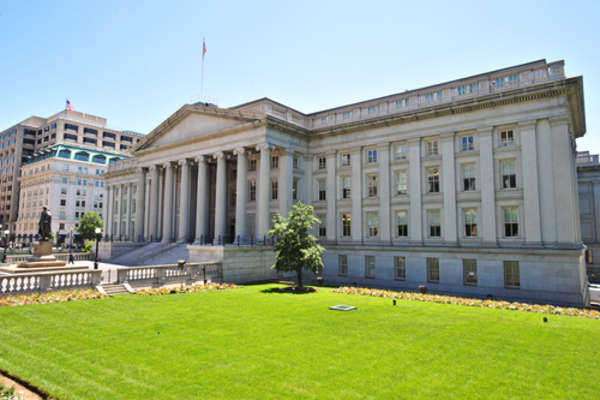
The Department of Agriculture, in the United States, is a Federal agency that operates within the United States of America’s executive department. The Department of Agriculture is responsible for developing and executing various federal policy regarding agriculture, farming and the production of food.
The Department of Agriculture aims to satisfy the needs of ranchers and farmers, to promote agricultural trade and production and to supply resources to assure that protocol revolving around agricultural production is safe. In addition, the Department of Agriculture is responsible for protecting natural resources and fostering rural communities in the United States. In general, the primary objective of the Department of Agriculture is end hunger in the United States and abroad.
Department of Agriculture Quick Facts:
The following details outline the administration of the Department of Agriculture:
The Department of Agriculture was founded on May 15, 1862
The headquarters of the Department of Agriculture are located on 1301 Independence Avenue in the South Western District of Washington D.C.
The Department of Agriculture is responsible for the jurisdiction over the Federal Government of the United States
The head of the Department of Agriculture is Tom Vilsack
History of the Department of Agriculture:
The Department of Agriculture was established by President Abraham Lincoln on May 15, 1862. Lincoln, who originally referred to the Department of Agriculture as the “people’s department” supplied the agency with a Commissioner without Cabinet Status. Over the years, the department of agriculture has transformed through the passing of legislation and the re-structuring initiated by various Presidents of the United States.
In modern times, many of the programs, once delivered by the Department of Agriculture, predominantly those responsibilities concerned with the distribution of food and nutrition to the people of the United States, is run and operated under the USDA Food and Nutrition Service. In addition, the USDA also concerns itself with assisting farmers and food producers with the sale of crops and food, both in a domestic and international sense.
Government Agency of the Executive Branch
Government agencies are defined as organizations, councils, and offices operating under the jurisdiction of the Federal Government of the United States of America; each federal agency retains specific administrative jurisdiction over specific facets latent within the operations of the United States Government.
The Department of Agriculture functions as a government agency under the Executive Branch of the United States government, which is comprised of 3 total branches; in addition to the Executive branch – which is responsible for the regulation and enforcement of operational legislation existing within the United States of America – there also exists the Legislative and Judicial Branches.