A Guide to the Defense Intelligence Agency
📅 2026 Update: Changes to the Defense Intelligence Agency
Since the original article about the Defense Intelligence Agency was published, several important changes have occurred. These changes impact federal agencies and how they operate, especially regarding efficiency and accountability. The earlier article continues further down the page.
🛠️ New Government Efficiency Measures
In February 2025, an Executive Order created the Department of Government Efficiency (DOGE). This initiative aims to make the federal workforce more effective and ensures better use of taxpayer money. This is especially relevant for agencies like the Defense Intelligence Agency, which deals with national security.
📊 Accountability and Regulations
Another Executive Order signed in February 2025 requires federal agencies to submit draft regulations for White House review. This change promotes accountability to the American public. Agencies must also consult on their priorities and strategic plans, improving transparency.
💼 Changes in Federal Workforce Classification
In July 2025, the concept of "Schedule G" employees was introduced. This new classification focuses on non-career federal workers who help implement administration policies. This shift may affect recruitment and hiring practices within agencies like the Defense Intelligence Agency.
🤖 Responsible AI Adoption
On April 7, 2025, the White House Office of Management and Budget released new policies for responsible AI adoption in federal agencies. These policies aim to modernize government functions. The Defense Intelligence Agency could be impacted as it may incorporate AI to improve intelligence analysis and operational efficiency.
📌 Key Points
- The Department of Government Efficiency (DOGE) was established in 2025.
- Federal agencies must now submit draft regulations for review.
- A new classification for non-career federal workers was created.
- Policies for responsible AI adoption were introduced.
- These changes aim to enhance transparency and efficiency in federal operations.
💡 Tips for Navigating the Defense Intelligence Agency
Review the details of your own situation with your attorney.
📞 Understand Your Rights
Be aware of your rights when dealing with federal agencies. You have the right to be informed about processes and decisions that affect you. Knowing your rights can help you navigate interactions with the Defense Intelligence Agency more effectively.
📄 Keep Documentation Handy
Always keep a record of any correspondence and documentation related to your dealings with the Defense Intelligence Agency. This can be helpful in case you need to reference past communications or when filing complaints.
⏳ Be Patient with Processing Times
Understand that certain processes can take time. For instance, removing poor performers from federal positions can take six months to a year, even before appeals. Patience is key when dealing with government agencies.
📅 Stay Updated on Regulatory Changes
Stay informed about any changes in regulations or procedures related to the Defense Intelligence Agency. New policies can affect how the agency operates and interacts with the public.
💬 Engage with Advocacy Groups
Consider reaching out to advocacy groups that specialize in federal agency interactions. They can provide insights and resources to help you navigate the complexities of engaging with the Defense Intelligence Agency.
🏆 Services Ranked by User Reviews (2026)
This section highlights services related to immigration and application assistance that fit the topic of the Defense Intelligence Agency. The following rankings are based on Trustpilot data from October 2026. Star ratings can change over time, and they represent only one aspect of customer experience, as unhappy customers tend to leave more reviews.
🥇 1. CitizenPath Immigration Services
CitizenPath Immigration Services has been rated 4.5 stars by 1,538 reviewers. This service is known for providing assistance with immigration applications and document preparation. Some users have reported issues with customer support responsiveness, which may affect their experience.
🆓 Free Government Help
The Department of Government Efficiency (DOGE) provides options for free assistance. These resources can help individuals navigate federal processes without incurring costs. Utilizing these services can be beneficial for those needing support with government-related matters.
🔎 Choosing the Right Service
- ⭐ Check customer reviews and ratings to gauge service quality.
- 📞 Look into customer support options and responsiveness.
- 📄 Assess whether the service specializes in your specific needs.
- 💵 Compare costs and available free options.
- 🔄 Review their policies on data privacy and security.
❓ Frequently Asked Questions
❓ What is the role of the Defense Intelligence Agency?
The Defense Intelligence Agency (DIA) is responsible for providing intelligence support to military operations. It focuses on gathering and analyzing information about foreign military capabilities and intentions.
📞 How can I contact the DIA?
You can contact the DIA through their official website or by calling their main office. They provide contact information for various departments, making it easier for the public to reach out.
📅 What are the current hiring processes at the DIA?
As of July 2025, there was a hiring freeze in effect. However, federal agencies generally have specific recruitment processes that include applications, interviews, and background checks.
📝 How does the DIA ensure data transparency?
The DIA, along with other federal agencies, is now required to eliminate information silos. This was part of an Executive Order aimed at promoting data transparency and inter-agency collaboration.
💡 What should I do if I have a complaint about the DIA?
If you have a complaint, it is best to document your concerns and contact the DIA through their official complaint channels. Ensure you follow up if you do not receive a timely response.
⚖️ Are there any recent changes to federal regulations affecting the DIA?
Yes, recent Executive Orders have mandated new regulations for federal agencies. These include requirements for accountability and strategic planning, impacting how the DIA operates.
⚖️ Recent Court Cases Related to the DIA
Recent court rulings have focused on federal agency operations and accountability, which connect to the overall functioning of the Defense Intelligence Agency.
- Florida court dismisses case against wildlife commissionDistrict Court of Appeal of Florida · December 27, 2021
- Florida court denies Tequila Lucas' petition against commissionDistrict Court of Appeal of Florida · January 12, 2022
- Florida court denies Willie Murray's petition against review commissionDistrict Court of Appeal of Florida · January 12, 2022
- Court affirms decision in Weatherspoon v. Florida CommissionDistrict Court of Appeal of Florida · March 20, 2020
Readers can browse more rulings on the news page to stay informed about the latest developments.
End of October 2026 Update
What is the Defense Intelligence Agency?
The Defense Intelligence Agency is a Federal agency that stands as a fundamental member of the Intelligence Community of the United States’ Federal Government. The Defense Intelligence Agency is a major producer and manager of military intelligence for the Department of Defense; the Defense Intelligence Agency is responsible for providing military intelligence to defense policymakers, warfighters and force planners positioned within the Department of Defense and the United States Intelligence Community.
The stated mission of the Defense Intelligence Agency is provide timely, cogent and objective military intelligence to defense planners, warfighters and national security policy makers. The Defense Intelligence Agency, which is considered a fundamental organization within the Intelligence Community, is the predominant advisers to the United States Secretary of Defense as well as the Chairman of the Joint Chiefs of Staff regarding issues related to military intelligence.
In alignment with the Military Intelligence Board, the Defense Intelligence Agency unifies the Defense Intelligence Community on primary issues such as the raw number of deployed forces, policy, resources and assessments. In addition, to provide support to weapon systems planners and the domestic defense industry, the Defense Intelligence Agency plays a fundamental role in providing intelligence on foreign weapon systems.
The Defense Intelligence Agency is led by a director, who generally is a three-star military officer. The DIA is organized into the following primary operational centers and directorates:
The Defense Counterintelligence and HUMINT Center
The Directorate for Information management and Chief Information Officer
The Directorate for MASINT and Technical Collection
The Directorate for Analysis
The Directorate for Intelligence, Joint Staff
The Defense Intelligence Operations Coordination Center
Defense Intelligence Agency Quick Facts:
The following details outline the administration of the Defense Intelligence Agency:
The Defense Intelligence Agency was formed on October 1st of 1961 by Robert McNamara
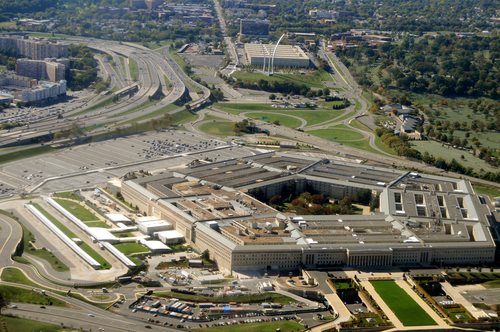
The headquarters of the Defense Intelligence Agency are located in The Pentagon Building
The number of employees is classified; however, the Defense Intelligence Agency is through to operate with roughly 17,000 employees, of which 35% are military agents and 65% civilians.
The operating budget of the Defense Intelligence Agency is classified
The Defense Intelligence Agency is responsible for the jurisdiction over the United States Department of Defense
The head of the Defense Intelligence Agency is Lieutenant General Ronald Burgess
Government Agency of the Executive Branch
Government agencies are defined as organizations, councils, and offices operating under the jurisdiction of the Federal Government of the United States of America; each federal agency retains specific administrative jurisdiction over specific facets latent within the operations of the United States Government. The Defense Intelligence Agency functions as a government agency under the Executive Branch of the United States government, which is comprised of 3 total branches; in addition to the Executive branch – which is responsible for the regulation and enforcement of operational legislation existing within the United States of America – there also exists the Legislative and Judicial Branches.