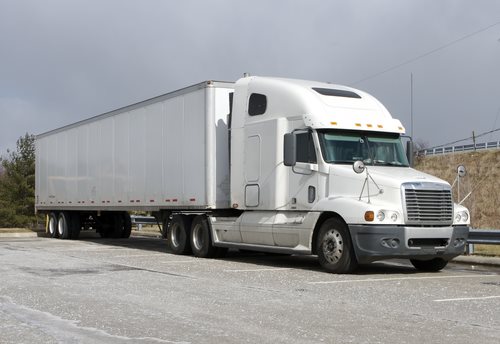
A Guide to the Federal Motor Carrier Safety Administration
📅 2026 Update: Key Changes in Motor Carrier Safety Administration
Since the original article was published, several important updates have occurred related to the Federal Motor Carrier Safety Administration (FMCSA). These changes reflect ongoing efforts to enhance safety standards for commercial vehicles and drivers. The earlier article continues further down the page, providing more details on the FMCSA's functions and services.
🚦 FAA Updates on Boeing 737 MAX
On August 3, 2026, the FAA released a Notice of Proposed Rulemaking (NPRM) regarding the Boeing 737 MAX. This proposed rule aims to outline safety measures and operational standards for these aircraft. Changes like this can impact the broader aviation industry, including regulations that may relate to commercial transportation and safety.
🏙️ Las Vegas Metroplex Project Decision
The FAA issued a Record of Decision on July 17, 2026, for the Las Vegas Metroplex Project. This project is expected to enhance air traffic management and improve safety in the region. The outcomes of such projects can influence commercial vehicle operations and logistics in and around major urban areas.
💻 International Rotorcraft Safety Conference
Scheduled for October 27-29, 2026, the FAA will host a Virtual International Rotorcraft Safety Conference. This event will focus on safety practices and innovations in rotorcraft operations. The discussions and findings may provide valuable insights that can be applied to commercial transportation safety.
📄 Recent FAA Form Updates
The FAA has made several updates to important forms. For example, Form 8130-15, released on July 10, 2026, pertains to Light-Sport Aircraft Kit Statement of Compliance. These updates can affect how operators manage compliance and documentation for their vehicles, which is crucial for safety.
📌 Key Points to Remember
- 🚦 New FAA NPRM on Boeing 737 MAX released.
- 🏙️ Record of Decision for Las Vegas Metroplex Project issued.
- 💻 Virtual conference on rotorcraft safety scheduled for October 2026.
- 📄 Important FAA forms have been updated to streamline compliance processes.
💡 Tips for Understanding Motor Carrier Safety Regulations
Review the details of your own situation with your attorney.
🛠️ Understand Compliance Requirements
It's essential to stay informed about compliance requirements for commercial vehicles. Regular updates from the FMCSA can help ensure that operators meet safety standards.
📞 Utilize FMCSA Resources
The FMCSA offers a variety of resources for drivers and operators. These can include educational materials and contact information for assistance. Utilizing these resources can help clarify regulations and procedures.
🚗 Keep Up with Safety Updates
Stay updated on safety advisories from the FAA and FMCSA. These advisories provide critical information that can affect operational practices and safety measures.
🎓 Attend Relevant Training
Participating in training programs can enhance knowledge of safety regulations. The FAA's upcoming conferences and workshops can be excellent opportunities for learning.
📝 Document Everything
Maintaining detailed records of compliance and safety checks is important. Proper documentation can help in audits and in demonstrating adherence to safety standards.
🔄 Review Changes Regularly
Regulations can change frequently. Regularly reviewing updates from the FMCSA and FAA can help maintain compliance and improve safety practices.
❓ Frequently Asked Questions
🤔 What is the role of the FMCSA?
The FMCSA focuses on regulating the trucking industry to ensure safety and compliance. It sets safety standards for commercial vehicle operations and monitors adherence to regulations.
🛑 How can I file a complaint with the FMCSA?
Complaints can be filed directly through the FMCSA's website. They provide guidelines on the process for reporting safety issues or violations.
🚧 What safety measures does the FMCSA enforce?
The FMCSA enforces various safety measures, including vehicle inspections and driver qualifications. These measures aim to reduce accidents and enhance road safety.
📅 Are there any upcoming safety conferences?
Yes, the FAA will host a Virtual International Rotorcraft Safety Conference on October 27-29, 2026. This event will cover safety practices relevant to aviation and may have implications for commercial transportation.
📝 How do I access FMCSA resources?
FMCSA resources are available online. Their website offers educational materials, compliance guides, and contact information for assistance, making it easier for operators to stay informed.
🚗 What should I do if I encounter safety issues?
If safety issues arise, it's important to document the situation and report it to the FMCSA. They take safety concerns seriously and can provide guidance on next steps.
⚖️ Recent Cases Related to Motor Carrier Safety
Several recent court rulings have involved issues pertinent to the FMCSA and its regulations. These cases illustrate the ongoing legal discussions surrounding commercial vehicle safety and compliance.
- Florida court affirms ruling in Gomez v. Department of CorrectionsDistrict Court of Appeal of Florida · November 4, 2021
- Court denies petition from inmate against Department of CorrectionsDistrict Court of Appeal of Florida · November 17, 2021
- Florida court affirms ruling in Turem v. Department of CorrectionsDistrict Court of Appeal of Florida · November 12, 2021
- Florida court affirms ruling in Cookston v. Department of CorrectionsDistrict Court of Appeal of Florida · December 10, 2021
For more recent rulings, you can check the latest updates on the news page.
End of October 2026 Update
What is the Federal Motor Carrier Safety Administration (FMCSA)?
The Federal Motor Carrier Safety Administration is a Federal agency that operates within the United States of America responsible for the regulatory administration and operational oversight of commercial transport taking place within the United States; primarily, the FMCSA maintains jurisdiction over any and all legislation and legal statutes concerning the trucking industry:
The usage of trucks for the means of commercial transport and travel is amongst the most widely-implemented within the United States; the Federal Motor Carrier Safety Administration is responsible for the development and supervision of safety measures whose adherence is expressly required by truckers and trucking companies
Federal Motor Carrier Safety Administration Quick Facts
The following details outline the administration of the Federal Motor Carrier Safety Administration:
The Federal Motor Carrier Safety Administration was founded on January 1st, 2000
The headquarters of the Federal Motor Carrier Safety Administration are located in Washington, D.C.
The administrator of the Federal Motor Carrier Safety Administration is Anne S. Ferro
Government Agency of the Executive Branch
Government agencies are defined as organizations, councils, and offices operating under the jurisdiction of the Federal Government of the United States of America; each federal agency retains specific administrative jurisdiction over specific facets latent within the operations of the United States Government.
The Federal Motor Carrier Safety Administration functions as a government agency under the Executive Branch of the United States government, which is comprised of 3 total branches; in addition to the Executive branch – which is responsible for the regulation and enforcement of operational legislation existing within the United States of America – there also exists the Legislative and Judicial Branches.
Federal Motor Carrier Safety Administration Associated Terms and Agencies
The following terms and Government Agencies are associated with the operations and undertakings of the Federal Motor Carrier Safety Administration:
The Department of Transportation and the FMCSA
The Department of Transportation is the government agency responsible for the regulation and oversight of all matters and affairs relating to transportation within the United States; under the jurisdiction of the Department of Transportation there exists a multitude of sub-departments and units responsible for the administration and management of specific methods of travel and transport, ranging from public to private transportation.
While the Federal Motor Carrier Safety Administration is primarily responsible for the supervision of trucking, a variety of other departments under the overarching administration of the Department of Transportation exist in conjunction with alternative transport methods, including aeronautical, vehicular, railway, and nautical travel.
Commercial Driving License (CDL)
A Commercial Driving License is a specific class of driver’s license required by vehicles undertaking transportation operations involving commerce and commercial-based activity; however, specific standards and parameters exist that serve to furnish the individual requirement for this type of license –transport operations undertaken by the trucking industry are responsible for acquiring a CDL
Federal Motor Carrier Safety Administration Legality
Administrative Law is the legal field associated with events and circumstances in which the Federal Government of the United States engages its citizens, including the administration of government programs, the administration and operation of government agencies, and the establishment of a legal, regulatory federal standard. The Federal Motor Carrier Safety Administration – as well as the Department of Transportation – can be contacted through the following means:
1200 New Jersey Avenue SE
Washington, D.C.
20590
(800) 832-5660