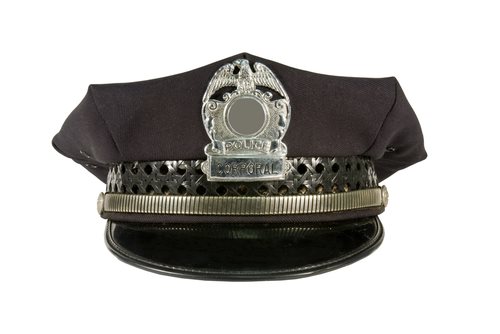
Quick Facts About The United States Pentagon Police
📅 2026 Update: Changes in Federal Drug Enforcement Agencies
Since the original article was published, there have been important updates related to federal law enforcement agencies, particularly concerning drug enforcement. Notably, the Drug Enforcement Administration (DEA) is now under the jurisdiction of the Criminal Division, which affects its organizational structure. This update changes how the DEA operates and collaborates with other agencies.
The information below highlights the most significant changes relevant to the topic of law enforcement and drug enforcement in the United States. Readers can find further details in the original article further down the page.
🚔 Recent Changes in the DEA
As of August 4, 2026, the DEA operates under the Criminal Division after a structural change approved by Acting Attorney General Todd Blanche. This shift may enhance coordination between the DEA and other federal agencies focused on organized crime and drug enforcement.
📈 Expanded Goals of OCDETF
The Executive Office for Organized Crime Drug Enforcement Task Forces (OCDETF) has expanded its mission since 2011. It now focuses on multi-agency investigations that target all forms of transnational organized crime. This broader scope allows for more comprehensive efforts in combating drug trafficking organizations.
📄 Information Access
Specific details about fees, application procedures, and eligibility for DEA services are not provided in the current sources. For the latest information on these topics, individuals are encouraged to refer to the official DEA website.
📞 Seeking Help from the DEA
While there is no detailed information on free assistance programs related to the DEA, individuals seeking support should reach out directly to the DEA through their official channels. This ensures access to the most accurate and up-to-date information.
📌 Key Points to Remember
- 🚔 The DEA is now part of the Criminal Division.
- 📈 OCDETF's mission includes a broader focus on organized crime.
- 📄 Specific application details for DEA services are not available.
- 📞 For help, contact the DEA directly through official channels.
💡 Tips for Understanding Drug Enforcement Services
It is important to review your specific situation with your attorney. This ensures clarity on your rights and options.
❓ Know the DEA's Role
Understanding what the DEA does can help individuals navigate law enforcement interactions. The DEA focuses on enforcing the controlled substances laws and regulations of the United States.
📞 Contacting the DEA
If you have questions about drug enforcement or need assistance, contact the DEA directly. They can provide information tailored to your needs.
📅 Stay Updated on Changes
Laws and regulations can change frequently. Make it a habit to check official websites for the latest updates regarding drug enforcement policies and procedures.
📄 Understand Application Processes
While specific application processes for DEA services are not detailed, knowing that they exist is essential. For accurate guidance, visiting the DEA's official site is recommended.
🆓 Explore Free Resources
Look for free assistance programs related to drug enforcement. These resources can provide support without the burden of fees or costs.
🏆 Free Options Ranked by User Reviews (2026)
No national paid services met the review threshold for this topic, so this section highlights free government and nonprofit resources available related to drug enforcement services. These options can offer assistance without incurring costs.
🥇 1. Drug Enforcement Administration (DEA)
The DEA plays a critical role in enforcing drug laws in the U.S. It provides various resources and tools to help individuals understand their rights and options under drug enforcement laws. The DEA also encourages public involvement in reporting drug-related crimes.
🥈 2. Executive Office for Organized Crime Drug Enforcement Task Forces (OCDETF)
OCDETF coordinates federal efforts against drug trafficking and organized crime. This office works with various agencies to share information and strategies to combat drug-related issues. Community members can contribute by reporting suspicious activities.
🥉 3. Office of Community Oriented Policing Services (COPS Office)
Created to enhance community policing, the COPS Office supports local law enforcement in building trust with residents. They provide grants and resources to improve public safety, which can include drug enforcement initiatives.
4️⃣ Bureau of Alcohol, Tobacco, Firearms and Explosives (ATF)
The ATF regulates and enforces laws related to alcohol, tobacco, firearms, and explosives. It often collaborates with the DEA on investigations involving illegal drug trafficking and related crimes. Individuals can reach out to ATF for information on related enforcement issues.
🔎 What to Check Before Paying for Help
- 🔍 Verify the legitimacy of the service.
- 📄 Ensure they provide clear service details.
- 💬 Look for user reviews or testimonials.
- ⚖️ Confirm their understanding of relevant laws.
❓ Frequently Asked Questions
❔ What is the primary function of the DEA?
The DEA is responsible for enforcing the controlled substances laws and regulations of the United States. Its primary goal is to prevent illegal drug trafficking and abuse.
📅 How can I report drug-related crimes?
Individuals can report drug-related crimes directly to the DEA. They provide resources for the public to report suspicious activities or drug trafficking.
🆓 Are there any free programs for drug enforcement assistance?
While specific free assistance programs are not detailed, individuals are encouraged to contact the DEA for information on available support and resources.
📞 How can I contact the DEA for inquiries?
Contacting the DEA can be done through their official channels. They provide various ways for the public to reach out with questions or concerns.
🗓️ What changes have occurred in drug enforcement agencies recently?
Recent changes include the DEA's integration into the Criminal Division, enhancing coordination with other law enforcement entities. The OCDETF has also expanded its mission to tackle organized crime more effectively.
📄 Where can I find updated information on drug enforcement?
For the latest information on drug enforcement policies and procedures, visit the official DEA website. They provide comprehensive updates and resources for the public.
⚖️ Recent Cases Related to Drug Enforcement
Recent court rulings have highlighted significant issues within drug enforcement and related law enforcement activities. These cases may impact policies and procedures regarding drug enforcement agencies.
- Delaware Court Denies Appeal in Labor Department CaseSuperior Court of Delaware · July 21, 2026
- Florida Court Dismisses Petition Against Health DepartmentDistrict Court of Appeal of Florida · June 22, 2026
- Florida court rules in favor of Department of ChildrenDistrict Court of Appeal of Florida · July 8, 2026
- Court grants stay in New York Times vs. Department of DefenseCourt of Appeals for the D.C. Circuit · July 16, 2026
For more insights on recent rulings, feel free to browse more rulings on the news page.
End of October 2026 Update
What is the United States Pentagon Police?
The United States Pentagon Police is a Federal police force that operates directly under the Secretary of Defense. The mission of the United States Pentagon Police is to promote high quality law enforcement services and security resources in order to provide a safe and orderly work environment for the Department of Defense in the National Capital.
The United States Pentagon Police possesses exclusive jurisdiction within the Pentagon Reservation and maintains concurrent jurisdiction with other law enforcement agencies, both state and local, in a 275 acre that surrounds the complex. The United States Pentagon Police Officers also maintain jurisdiction at the Department of Defense, which is leased throughout the National Capitol Region and also at the United States Military Court of Appeals in Washington D.C. Furthermore, the United States Pentagon Police is charged with the protection of various Department of Defense executive officers.
United States Pentagon Police Quick Facts:
The following details outline the administration of the United States Pentagon Police:
The United States Pentagon Police was founded in 1987 when the General Service Administration delegated authority for protecting the Pentagon Reservation to the Department of Defense. To carry out this new mission, the Department of Defense established the Defense Protective Services as a formal organization within the Washington Headquarters Service. The defense Protective Service was later renamed the United States Pentagon Police.
The parent agency of the United States Pentagon Police is the Pentagon Force Protection Agency; as stated before, the preceding agency of the United States Pentagon Police is the Defense Protective Services
The headquarters of the United States Pentagon Police are located in The Pentagon building in Washington, D.C.
The United States Pentagon Police is responsible for the jurisdiction over the Pentagon and other Department of Defense sites in the National Capital Reion
The head of the United States Pentagon Police is Chief of Police Richard Keevill
Government Agency of the Executive Branch
Government agencies are defined as organizations, councils, and offices operating under the jurisdiction of the Federal Government of the United States of America; each federal agency retains specific administrative jurisdiction over specific facets latent within the operations of the United States Government. The United States Pentagon Police functions as a government agency under the Executive Branch of the United States government, which is comprised of 3 total branches; in addition to the Executive branch – which is responsible for the regulation and enforcement of operational legislation existing within the United States of America – there also exists the Legislative and Judicial Branches.