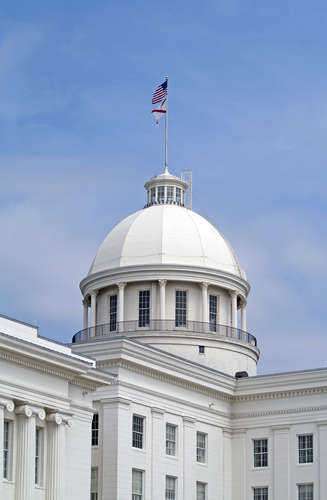
Alabama Judicial Building
📅 2026 Update: Changes to U.S. Justice Agencies
Since the original article was published, there have been notable updates in the U.S. justice system, particularly concerning the Drug Enforcement Administration (DEA) and the Executive Office for Organized Crime Drug Enforcement Task Forces (OCDETF). These changes may affect how residents interact with these agencies and their services.
This section will outline the most relevant updates related to the topic of U.S. government agencies, their roles, and how they can assist the public.
🚔 DEA's New Organizational Structure
As of August 4, 2026, the DEA is now under the jurisdiction of the Criminal Division. This change was approved by Acting Attorney General Todd Blanche. It aims to improve coordination among agencies tackling drug-related crimes.
🔍 OCDETF's Expanded Mission
The OCDETF has expanded its mission since 2011 to include various forms of transnational organized crime. This expansion allows for better investigation and coordination among federal agencies. The focus on organized crime reflects the ongoing challenge of drug trafficking and related issues in the country.
📄 Application Procedures Not Specified
Details about application procedures for DEA services are not provided in the current sources. For those interested in applying for services, it is important to check the official DEA website for the most accurate and updated information.
⏳ Processing Times Unknown
Currently, there is no information about processing times for DEA applications. This lack of detail means applicants should consult the DEA website to understand how long they might wait for a response.
📋 Eligibility and Deadlines
Eligibility rules for DEA services are not specified. Individuals should refer to the DEA's official channels to find out if they meet any requirements. Similarly, specific application deadlines are also not available, making it vital to check the DEA website for updates.
📌 Key Points to Remember
- 🚔 DEA's structure is now under the Criminal Division.
- 🔍 OCDETF focuses on transnational organized crime.
- 📄 Application procedures for DEA services are currently unspecified.
- ⏳ Processing times for DEA applications are not provided.
- 📋 Eligibility criteria and deadlines are not detailed.
💡 Tips for Engaging with U.S. Justice Agencies
Review all details about your situation before proceeding, especially if legal matters are involved. Consulting with an attorney can help clarify your options.
📞 Contacting the DEA
If you need assistance, reach out to the DEA directly through their official channels. They can provide information on services and help you navigate the application process.
📝 Checking Eligibility
Make sure to verify your eligibility for any services you might need from the DEA. This will save you time and ensure you meet the necessary requirements.
📅 Keeping Track of Deadlines
Stay informed about any deadlines related to your application. Regularly check the DEA's official website for updates, as this information is not always publicly available.
🔍 Understanding OCDETF's Role
Familiarize yourself with the OCDETF's focus on organized crime. Knowing its mission can help you understand how it may impact your case or concerns regarding drug trafficking.
📚 Utilizing Available Resources
Look for additional resources and support related to drug enforcement and crime prevention. These tools can provide valuable information and help you stay informed about developments.
📞 Seeking Help When Needed
Don't hesitate to contact government agencies if you need assistance. They can offer guidance and help clarify any questions you may have about their services.
🏆 Free Options Ranked by User Reviews (2026)
No national paid services in this area met the review threshold, so this section lists free government and nonprofit resources that can help you navigate the complexities of justice agencies.
🥇 1. Drug Enforcement Administration (DEA)
The DEA is responsible for enforcing the controlled substances laws and regulations of the United States. They tackle drug trafficking and distribution, working closely with other agencies to combat illegal drug production. The public can contact the DEA for information on drug policies and to report suspicious activities.
🥈 2. Executive Office for Organized Crime Drug Enforcement Task Forces (OCDETF)
OCDETF leads federal, state, and local law enforcement agencies in combating drug trafficking and organized crime. Their approach focuses on multi-agency coordination, making them a key player in addressing complex criminal networks. They provide resources and information on drug-related issues.
🥉 3. Office of Community Oriented Policing Services (COPS Office)
The COPS Office supports community policing efforts across the country. They provide grants, training, and resources to local law enforcement agencies to enhance their community engagement. This office aims to improve public safety through partnerships between law enforcement and the communities they serve.
4️⃣ Bureau of Alcohol, Tobacco, Firearms and Explosives (ATF)
The ATF protects communities from violent criminals and criminal organizations by enforcing laws related to alcohol, tobacco, firearms, and explosives. They also investigate arson and bombings. The ATF offers resources for the public to understand their regulations and report illegal activities.
5️⃣ U.S. Marshals
The U.S. Marshals Service is responsible for apprehending fugitives and managing assets seized from criminal enterprises. They also support local law enforcement in investigations.
Public resources are available through the U.S. Marshals to learn about their operations and how to report tips.
🔎 Things to Check Before Paying for Help
- 🔍 Verify the legitimacy of any service before payment.
- 📜 Review credentials and qualifications of any advisors.
- 💬 Seek out user reviews and experiences with services.
- 📅 Understand the scope of services offered and any fees involved.
- 📞 Contact the agency or organization directly for clarity.
❓ Frequently Asked Questions
❓ What is the role of the DEA?
The DEA enforces the controlled substances laws of the United States. They focus on combating drug trafficking and abuse, providing resources to help the public understand drug laws.
👮 How can I report drug-related activities?
You can report suspicious drug-related activities directly to the DEA. They encourage public involvement in providing tips and information that can aid in their investigations.
🏛️ What is the OCDETF?
The OCDETF coordinates federal, state, and local law enforcement efforts to combat drug trafficking and organized crime. Their mission is to dismantle these criminal organizations through collaborative investigations.
📅 Where can I find application deadlines for DEA services?
Currently, specific application deadlines for DEA services are not available. It is best to consult the DEA's official website for updates and information on any upcoming deadlines.
📞 How can I contact the COPS Office?
You can reach out to the COPS Office through their official website or by phone. They provide resources and information on community policing initiatives and available support.
📜 What should I do if I need legal help?
If you need legal assistance related to drug enforcement or organized crime issues, consider consulting a qualified attorney for guidance. They can help clarify your situation and options.
⚖️ Recent Cases in U.S. Justice System
Recent court rulings have involved various cases related to drug enforcement and organized crime, reflecting changes in policy and enforcement strategies.
- Florida court affirms ruling in Thomas v. Alabama agency caseDistrict Court of Appeal of Florida · December 3, 2021
- Florida court affirms ruling in Nestor v. Title Agency caseDistrict Court of Appeal of Florida · April 13, 2022
- Florida court affirms decision in Bono v. Department of RevenueDistrict Court of Appeal of Florida · November 9, 2022
- Florida Court Affirms Ruling in Case Against Alabama AgencyDistrict Court of Appeal of Florida · October 2, 2024
For more information on recent rulings, you can browse the latest updates in the news section.
End of October 2026 Update
What is the Alabama Judicial Building?
The building in Montgomery houses the Unified Judicial System, and the building is still referred to as the Heflin-Torbert Judicial Building. It houses the Supreme Court of Alabama, the Court of Civil Appeals, the Court of Criminal Appeals, and the State Law and Supreme Court Library. Tourists are known to admire the state building’s neoclassical architecture.
Glassroth v. Moore
The famous “Ten Commandments Case” involved the Alabama Judicial Building after Chief Justice Roy Moore of the Alabama Supreme Court installed a 2 ½ ton monument of the Ten Commandments without notifying any of the other justices.
A group of lawyers sued Chief Justice Moore because they claimed their clients may not receive fair hearings because of Moore’s personal religious beliefs. The lawyers claimed that Moore’s actions violated the First Amendment’s Establishment Clause in the U.S. Constitution which calls for a direct separation of church and state.
The case concerning the Alabama Judicial Building was eventually brought forth in front of U.S District Court Judge Myron Thompson and received a huge amount of media attention. Myron ordered the removal of what he called “a religious sanctuary within the walls of a courthouse,” and the case was appealed by Moore.
The case was affirmed in the Eleventh Circuit Court of Appeals on July 1, 2003. Moore continued to refuse taking down the monument at the Alabama Judicial Building, and he was eventually suspended as Chief Justice. The justices ordered that the monument be removed on August 27, 2003, and Moore was removed from office due to ethics violations in November of 2003.
Alabama Judicial Building Information
You can reach the separate Courts at the phone numbers below:
Supreme Court: 334-229-0700
Court of Civil Appeals: 334-229-0733
Court of Criminal Appeals: 334-229-0578
Administrative Office: 334-954-5000