Parochial School
📅 2026 Update: Developments in U.S. Education Departments
Since the original article was published, several key updates have occurred within U.S. education departments. These changes impact how schools operate and how educators can access resources and support. This update highlights the most significant changes and continues the discussion from the earlier article below.
🎓 Arizona Department of Education
In October 2026, the Arizona Department of Education announced a significant $5 million federal grant. This funding aims to expand pathways into the special education teaching profession through registered teacher apprenticeships. This initiative seeks to address the ongoing need for qualified special education teachers in the state.
- 📚 Certification Fees: The Arizona Department of Education has specific fee structures for services like certification and assessments. Details can be found on their official site.
📊 California Department of Education
The California Department of Education updated the California School Dashboard in October 2026. This update includes the latest data on graduation rates, suspension rates, test scores, English Learner progress, college/career indicators, and chronic absenteeism.
- 📈 Program Fees: Information about fees for various educational programs, including child nutrition services, is available on the California Department of Education's website.
🏫 New Jersey Department of Education
As of October 2026, the New Jersey Department of Education continues to support 1.4 million students. Their mission focuses on ensuring equitable access to high-quality education across the state. This ongoing support aims to help all students achieve academic excellence.
- 📝 Certification Requirements: Educators seeking certification must hold a valid bachelor’s degree, complete an approved educator preparation program, and pass required examinations.
📌 Key Updates Summary
- 🎉 Arizona received a $5 million grant for special education teacher apprenticeships.
- 📊 California's School Dashboard includes updated data on key educational metrics.
- 🏫 New Jersey remains focused on equitable access to education for all students.
- 💰 Fee structures for services vary by state and can be found on respective department websites.
💡 Tips for Navigating Education Department Services
Review the details of your situation with your attorney.
📜 Understand Certification Requirements
Each state has specific eligibility rules for educator certification. For example, Arizona requires passing relevant exams and completing fingerprinting. It's essential to check the specific requirements for your state.
📅 Keep Track of Deadlines
Application deadlines for educator certification and other services are critical. States like Arizona and New Jersey provide specific deadlines on their official websites.
💻 Utilize Online Resources
Many state education departments offer online application processes for certification and support services. Be sure to visit the Arizona, California, and New Jersey Department of Education websites for guidance.
🆓 Access Free Support Services
State education departments provide free technical assistance and support for schools. This includes resources for enhancing educational programs and improving academic outcomes.
📞 Contact Support When Needed
If you have questions about the application process or specific services, don't hesitate to reach out to your state education department. They can provide guidance and clarify any confusion.
🏆 Services Ranked by User Reviews (2026)
This section outlines services related to U.S. government education forms and credentialing, based on Trustpilot data as of October 2026. These services help individuals navigate educational requirements and comply with regulations. Ratings can change, and reviews often reflect a range of user experiences.
🥇 1. EaseGov
EaseGov has been rated 4.5 stars. This service is known for helping users with U.S. government forms preparation and expert review services. However, some users have reported confusion about document requirements and navigation challenges during the application process.
🥈 2. GEO Credential Services
GEO Credential Services also holds a 4.5-star rating. It specializes in credential evaluation and certified translation services. While many users appreciate the quality of service, some have experienced issues with mailing addresses.
🆓 Free Government Help Options
The Arizona, California, and New Jersey Departments of Education offer free resources and support for educators and schools. These programs aim to enhance educational quality and ensure equitable access to high-quality education.
🔎 What to Compare When Choosing Services
- 📋 Types of services offered
- 📈 User ratings and reviews
- 🕒 Processing times for applications
- 💰 Fee structures and additional costs
❓ Frequently Asked Questions
🤔 What is the role of the Arizona Department of Education?
The Arizona Department of Education is responsible for improving educational outcomes and providing support to local educational agencies. They focus on ensuring every child receives an excellent education.
💼 How can I find out about certification fees in California?
Information regarding certification fees in California can be found on the California Department of Education's official website. They detail the costs associated with various educational programs.
📅 Are there specific deadlines for educator certification applications?
Yes, application deadlines for educator certification vary by state. Arizona and New Jersey specify these deadlines on their respective websites.
📞 How can I contact the New Jersey Department of Education?
You can contact the New Jersey Department of Education through their official website, where they provide contact information for various inquiries related to education services.
📊 What does the California School Dashboard include?
The California School Dashboard includes data on graduation rates, test scores, suspension rates, and other key performance indicators for schools across the state.
🆓 What free resources are available for educators?
Educators can access free resources and support from their state education departments. These resources aim to enhance educational programs and improve academic outcomes.
⚖️ Recent Cases Related to U.S. Education Departments
Recent court rulings impact how education departments operate and the rules they enforce. These cases often relate to certification requirements, funding, and educational equity.
- Florida court affirms ruling in Lee v. Department of HighwayDistrict Court of Appeal of Florida · August 10, 2021
- Court denies petition from Paul D. Johnson against state agencyDistrict Court of Appeal of Florida · January 24, 2022
- Florida court denies Jamerson's petition against corrections departmentDistrict Court of Appeal of Florida · January 21, 2022
- Court affirms ruling in Smith v. Department of Revenue caseDistrict Court of Appeal of Florida · January 8, 2021
End of October 2026 Update
A parochial school is a private school that is maintained by a religious body. Elementary and secondary schools are the most common types of these religiously oriented schools, but some colleges qualify as well.
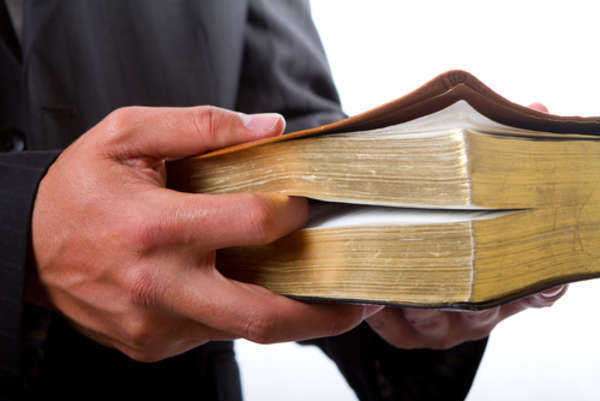
Catholic schools are the most common types throughout the United States, and there are currently about 7,000 catholic schools across the nation according to the National Catholic Educational Association. However, any school that includes religion in its curriculum is considered a parochial school.
The teaching of religion is only allowed in a private parochial school because of landmark cases that mainly occurred throughout the 20th century. One of the most recent cases occurred in 2005, and some of these cases are described below.
In 1948, McCollum v. Board of Education District 71 ruled that the use of a tax-supported school for the teaching of religion was unconstitutional. The case occurred when people of differing faiths formed a group called the Champaign Council of Religious Education and offered voluntary religious education to students during regular school hours. Students who did not wish to receive the education were sent to another part of the school.
In 1962, Engel v. Vitale ruled that allowing a short prayer at the start of the school day that referenced God was unconstitutional. The reference to God was nondenominational, but the fact that the New York school approved the prayer meant the school approved religion. The case was particularly important because it was the first case that attempted to eliminate prayer from public schools completely.
Abington School District v. Schempp came to trial because the school district in Pennsylvania made students read at least ten bible verses before school started and recite the Lord’s Prayer. Students had the option to excuse themselves from the religious activities with a signed note from their parents, but the court still ruled the activities were unconstitutional because the school violated the establishment clause.
Lemon v. Kurtzman was one of the most important cases concerning funding to a parochial school. The case addressed statute in Pennsylvania and Rhode Island that offered financial support to non-public schools. Ultimately, the Court found concluded that funding to a parochial school would entangle the government with religion.
In 1992, Lee v. Weisman ruled that prayer at a public graduation ceremony was unconstitutional. The case was brought to the Supreme Court when Daniel Weisman filed a temporary restraining order against a rabbi that was scheduled to deliver a nondenominational prayer at a graduation ceremony. The restraining order was initially denied, but the Supreme Court ruled in favor of Weisman.
One of the most recent cases involved the teaching of intelligent design versus evolution in public schools. Kitzmiller v. Dover Area School District was brought to court because the school district required students to hear a statement about intelligent design before learning about evolution. The statement concluded that Darwin’s theory was in fact a theory and still had gaps. The statement then referred students to a textbook on intelligent design called Of Pandas and People. The court eventually ruled in favor of science faculty members who thought the statements were unconstitutional.