Easy Overview of the White House Office
📅 2026 Update: Changes in the White House Office and Federal Agencies
Since the original article was published, several significant changes have occurred within the White House Office and federal agencies. These updates reflect new initiatives and reforms aimed at improving government efficiency and accountability. The earlier article continues further down the page, providing foundational knowledge on the White House Office.
📊 Executive Orders and New Initiatives
In recent years, multiple Executive Orders have been signed to reshape federal operations. For example, in February 2025, an Executive Order established the Department of Government Efficiency (DOGE). This initiative aims to maximize government productivity and ensure effective use of taxpayer money.
- 🔍 Transparency and Accountability: Another Executive Order requires federal agencies to submit draft regulations for White House review. This change emphasizes accountability to the American people.
🤖 AI and Modernization Efforts
The White House Office of Management and Budget introduced policies for responsible AI adoption in federal agencies in April 2025. This initiative is focused on modernizing government processes, enhancing efficiency, and reducing costs.
- 💻 Streamlining Procurement: In August 2025, the Office of Federal Procurement Policy made significant updates to the Federal Acquisition Regulation (FAR), reforming federal buying procedures for the first time in over 40 years.
📉 Addressing Improper Payments
The Biden Administration reported an estimated $236 billion in improper payments for Fiscal Year 2023. This figure highlights ongoing issues with overpayments and inaccuracies in federal recordkeeping.
- 📅 Hiring Freeze Extension: A hiring freeze initiated in January 2025 was extended through July 2025. This measure affects federal workforce changes during a period of reform.
📌 Key Points to Remember
- ⚙️ Department of Government Efficiency (DOGE) established to enhance productivity.
- 📝 Executive Orders increasing transparency and accountability in federal agencies.
- 📊 Significant reforms in federal procurement processes.
- 💰 High levels of improper payments reported by the Biden Administration.
- ⏳ Extension of the federal hiring freeze impacts staffing decisions.
💡 Tips for Navigating Federal Services
Review the details of your specific situation with an attorney.
🗃️ Understanding New Roles
Be aware of the new classification of federal workers, known as "Schedule G" employees. These non-career positions focus on implementing specific administration policies and can affect how services are delivered.
🔄 Utilizing Federal Resources
The establishment of the Department of Government Efficiency (DOGE) means that there are now more resources aimed at helping citizens navigate federal services effectively. This department is designed to enhance overall government productivity.
📋 Keeping Track of Regulations
Stay informed about changes in federal regulations. The requirement for draft regulations to be submitted for White House review means that new rules may be coming that affect various federal services.
💼 Monitoring Hiring Practices
If you're interested in government jobs, note that the hiring freeze may impact opportunities. Keep an eye on announcements after July 2025 for any updates on hiring practices.
💻 Embracing Technology
Be aware that federal agencies are adopting new technologies, including responsible AI. This could improve the efficiency of services you interact with, making processes faster and more transparent.
🏆 Services Ranked by User Reviews (2026)
This section highlights services that offer assistance related to federal processes, particularly in immigration and government-related tasks. The rankings are based on Trustpilot data as of October 2026. Keep in mind that scores can change over time, and star ratings are only one aspect of a company's reputation.
🥇 1. CitizenPath Immigration Services
CitizenPath has been rated 4.5. It is known for its immigration application assistance and document preparation services. Reviewers appreciate the clarity and support it offers throughout the immigration process.
However, some users have reported issues with customer support responsiveness, which may be a concern for those needing immediate assistance.
🆓 Free Government Options
While specific services like CitizenPath provide valuable support, there are also free government and nonprofit resources available. These options can help individuals navigate federal processes without incurring costs. It's essential to explore these avenues if budget constraints are a concern.
🔎 Comparison Points
- 📈 Trustpilot ratings and review counts.
- 📋 Range of services offered.
- 📞 Customer support responsiveness.
- ⚙️ Technology and tools used for service delivery.
- 💰 Cost structures, including free options.
❓ Frequently Asked Questions
🤔 What is the role of the Department of Government Efficiency?
The Department of Government Efficiency (DOGE) aims to maximize government productivity and ensure effective use of taxpayer funds.
🏛️ How can I contact federal agencies?
Each federal agency has specific contact information available on their official websites. You can find phone numbers, email addresses, and mailing addresses for inquiries.
📅 What are the recent changes to hiring practices?
A hiring freeze was extended through July 2025, which may affect new job opportunities in federal agencies during this period.
⚖️ How does the Executive Order impact federal regulations?
The Executive Order requires federal agencies to submit draft regulations for White House review, enhancing transparency and accountability to the public.
📉 What are improper payments, and why are they significant?
Improper payments refer to overpayments and inaccuracies in federal payments, totaling an estimated $236 billion for Fiscal Year 2023. These figures highlight ongoing issues within federal financial management.
🔍 Where can I find information on federal job openings?
Information on federal job openings is typically available on the U.S. government's official job portal, USAJOBS. This site lists current opportunities across various agencies.
⚖️ Recent Court Cases Related to Federal Services
Recent court rulings have focused on issues related to government efficiency and accountability, impacting how federal agencies operate. These decisions connect directly to the ongoing reforms discussed in this article.
- Court denies petition from inmate against Department of CorrectionsDistrict Court of Appeal of Florida · November 17, 2021
- Florida court affirms ruling in Turem v. Department of CorrectionsDistrict Court of Appeal of Florida · November 12, 2021
- Florida court affirms ruling in Cookston v. Department of CorrectionsDistrict Court of Appeal of Florida · December 10, 2021
- Court affirms ruling in Frere v. Florida Department of RevenueDistrict Court of Appeal of Florida · October 2, 2026
For more recent rulings, you can browse more rulings on the news page.
End of October 2026 Update
What is the White House Office?
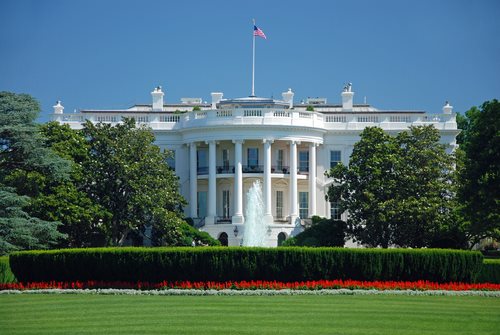
The White House Office is a Federal entity within the Executive Office of the President of the United States. The White House Office is headed by the White House Chief of Staff, who also maintains the position as the head of the Executive Office. The staff of the several offices which make up the White House Office is based in various locations throughout the White House, including the West Wing and East Wing, as well as in separate federal buildings, such as the Eisenhower Executive Office Building and the New Executive Office Building.
White House Office Quick Facts:
The following details outline the administration of the White House Office:
The White House Office was founded in 1857
The headquarters of the White House Office are located in the White House
The White House Office employs roughly 150 government agents or workers
The parent agency of the White House Office is the Executive Offices of the President of the United States
History of the White House Office:
The White House Office was established in the Executive Office of the President by Reorganization Plan 1 of 1939 and through the Executive Order 8248 to provide formal assistance to the President of the United States in the performance of his several activities incident to his immediate office.
The White House Office is organized in accordance with the wishes of the President of the United States; the White House Office is directed by staff chosen by the elected President. The White House Office remains the centerpiece of the presidential staff system; in many ways, the White House Office is closes to the President, in both physical proximity and in its impact on the day-to-day operations, policy agendas, deliberations and public communications of his office.
What is the Mission of the White House Office?
The elected President of the United States is free to determine what sub offices and their coordinating functions will be represented in his staff structure. The majority of White House Offices have some set of established staff handling national security, domestic, and economic policy.
That being said, each White House Office can vary significantly; in general, the majority of White House Offices will deal with the cabinet, political affairs, congressional affairs, intergovernmental affairs and liaison with the public and numerous constituency groups. In addition, the White House Office will have operations devoted to the media, such as a press office, a communications office, a speechwriting staff and other forms of media liaison.
The issues that confront the Nation and more specifically the President, cannot be handled by one man alone, and therefore the President of the United States is forced to draw on the expertise of the staff he has placed around him.
Government Agency of the Executive Branch:
Government agencies are defined as organizations, councils, and offices operating under the jurisdiction of the Federal Government of the United States of America; each federal agency retains specific administrative jurisdiction over specific facets latent within the operations of the United States Government.
The White House Office functions as a government agency under the Executive Branch of the United States government, which is comprised of 3 total branches; in addition to the Executive branch – which is responsible for the regulation and enforcement of operational legislation existing within the United States of America – there also exists the Legislative and Judicial Branches.