Reasons Behind A FAA Flight Delays
📅 2026 Update: Recent FAA Changes Impacting Flight Delays
Since the original article was written, several important updates from the FAA could affect flight delays and aviation safety. These updates include new forms, advisory circulars, and significant project decisions. The changes below are crucial for understanding current regulations and services related to flight delays.
✈️ FAA Updates on Boeing 737 MAX
On August 3, 2026, the FAA released a Notice of Proposed Rulemaking (NPRM) concerning the Boeing 737 MAX. This could impact operational procedures and safety checks for this aircraft model. Aircraft operators and airlines may need to prepare for changes in regulations related to these updates.
🏙️ Las Vegas Metroplex Project Progress
The FAA issued a Record of Decision for the Las Vegas Metroplex Project on July 17, 2026. This decision allows the project to move forward, which aims to improve air traffic management and reduce congestion in the Las Vegas area. Enhanced routing can lead to fewer delays for flights arriving and departing from this busy airport.
📅 Upcoming Virtual International Rotorcraft Safety Conference
The FAA will host a Virtual International Rotorcraft Safety Conference from October 27-29, 2026. This event allows aviation professionals to discuss safety improvements and share best practices. It could lead to advancements in rotorcraft operations that minimize delays caused by safety concerns.
📄 Important Form Updates
The FAA has released updates to several important forms:
- 📝 Form 8130-15: This form addresses compliance for light-sport aircraft kits, adding clarity to regulations.
- 📜 Form 8610-6: This update relates to inspection authorization, which is vital for maintenance and repair personnel.
- 🛠️ Form 8610-2: This form is used for airman certification applications, streamlining processes for mechanics and parachute riggers.
📌 Key Points Summary
- ✈️ NPRM for Boeing 737 MAX could change regulations.
- 🏙️ Las Vegas Metroplex Project aims to reduce flight delays.
- 📅 Virtual conference on rotorcraft safety is scheduled.
- 📄 Important FAA form updates reflect regulatory changes.
- 📝 New forms enhance compliance and certification processes.
💡 Tips for Understanding FAA Regulations
Review your situation with an attorney to ensure you understand the implications of FAA regulations.
🔍 Understand the NPRM Process
The Notice of Proposed Rulemaking (NPRM) process allows the public to comment on proposed rules. Engaging in this process can help you understand potential changes that may affect flight delays.
📞 Report Flight Delays
If you experience a flight delay, report it directly to the airline and document your experience. This can help the FAA track issues and improve regulatory responses.
📅 Stay Informed on Conferences
Participating in FAA-hosted events like the upcoming rotorcraft safety conference can keep you updated on industry best practices. Being informed can help you understand how safety measures may impact flight delays.
📄 Review Form Updates
Familiarize yourself with updated FAA forms, like Form 8130-15 and Form 8610-2. Understanding these forms can prepare you for compliance and certification processes that may influence flight operations.
🌐 Engage with FAA Advisory Circulars
Regularly check for new FAA advisory circulars. These documents provide guidance on safety and operational procedures that can directly affect flight delays.
❓ Frequently Asked Questions
❓ What is the FAA's role in flight delays?
The FAA regulates air traffic and safety, helping to manage flight schedules and delays. It establishes guidelines that airlines must follow to ensure safe and efficient operations.
🌐 How can I report a complaint about a flight delay?
Passengers can file complaints directly with their airline, which may then escalate to the FAA if necessary. Keeping detailed records of delays aids in this process.
💻 Are there any upcoming FAA events related to flight safety?
Yes, the FAA will host a Virtual International Rotorcraft Safety Conference from October 27-29, 2026. This event aims to improve safety practices in aviation.
🛩️ How do FAA form updates affect flights?
Updates to FAA forms, like the 8130-15, can change compliance requirements for airlines and maintenance personnel, potentially affecting operations and flight schedules.
📅 Where can I find information on current FAA regulations?
The FAA's official website provides updates and regulatory information. Regularly checking this site will help you stay informed about changes that may impact air travel.
📊 How does the FAA manage air traffic delays?
The FAA uses advanced technology and strategic planning to manage air traffic. This includes optimizing flight paths and schedules to reduce congestion and delays.
⚖️ Recent Court Cases Related to FAA Regulations
Recent court rulings have addressed various issues concerning FAA regulations and flight delays. These cases highlight the ongoing legal landscape related to aviation and its impact on travel.
- Florida Court Denies Doctor's Petition Against Health DepartmentDistrict Court of Appeal of Florida · January 27, 2023
- Florida Court Affirms Decision in Health Department CaseDistrict Court of Appeal of Florida · August 9, 2023
- Florida court affirms ruling on business regulation caseDistrict Court of Appeal of Florida · February 16, 2024
- Court rules on union's complaint against NYC Department of CorrectionAppellate Division of the Supreme Court of the State of New York · October 6, 2026
Readers can explore more rulings on the news page for additional information on recent court decisions.
End of October 2026 Update
FAA flight delays are issued for many different reasons. Often, these delays occur when travel conditions are considered to be potentially dangerous. An FAA flight delay can occur during departure or during arrival. Individuals who are traveling with a commercial airline are encouraged to check the status of their flights before traveling to the airport, especially when weather conditions are poor.
The most common cause of FAA flight delays is hazardous weather conditions. This may include strong winds, rain, and snow. In general, weather-related flight delays increase in frequency during the winter. This is due to snow and icy conditions. If the runway is not safe for use, a flight will be delayed until conditions improve. If FAA flight delays are issued during severe weather, an individual may be stranded in the airport for hours, and in some instances, even days.
In addition to flight delays, an individual's flight may be canceled. This can occur when conditions are so severe that aircrafts cannot operate for multiple days, or when there are complications with the aircraft's operation.
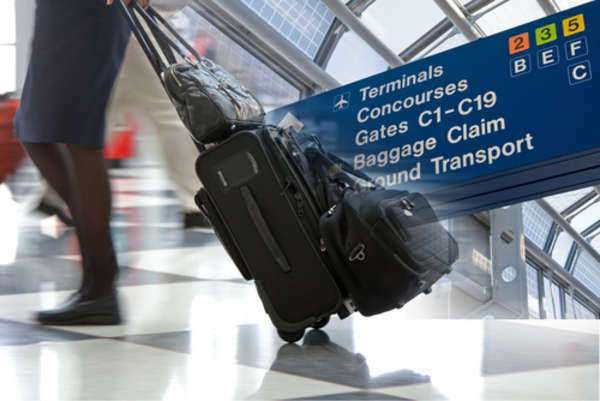
In addition to weather-related delays, the FAA may issue slight delays because of suspicious activity or the presence of unidentified objects of concern. If security officers have reason to suspect that any individual on the aircraft is acting suspiciously, the flight will be delayed until the situation is thoroughly investigated. If an aircraft is experiencing technical or mechanical difficulties, the flight will be delayed until the problem is corrected.
In addition to departure delays, a flight may experience arrival delays. These delays may occur if the runway is not clear for landing upon the arrival of the plane, or if external conditions make landing dangerous. This is known as an air holding delay. When traveling by commercial aircraft, an individual should expect delays of about 15 minutes, as these delays are normal.