Brief Guide to the Customs and Border Protection
📅 2026 Update: Changes in Customs and Border Protection
Since the original article was published, there have been important updates related to U.S. government agencies, particularly the Drug Enforcement Administration (DEA). These changes affect how the DEA operates and interacts with other agencies. Readers can find more detailed information in the article below.
🕵️♂️ Changes in DEA Oversight
As of August 4, 2026, the DEA is now part of the Criminal Division's organizational structure, approved by Acting Attorney General Todd Blanche. This change may impact how the DEA coordinates its efforts with other law enforcement agencies.
📈 Expanded Mission of OCDETF
The Executive Office for Organized Crime Drug Enforcement Task Forces (OCDETF) expanded its mission in 2011. It now includes multi-agency investigations against all forms of transnational organized crime. This broadens the scope of federal efforts to combat drug trafficking and organized crime.
🏢 Historical Context
The DEA was established in 1973. It merged several agencies to form a unified approach to tackling drug-related issues. Understanding this history gives context to its current operations and responsibilities.
📝 Application Procedures
Currently, specific details about applying for DEA services are not provided. For the most accurate and up-to-date information, individuals need to refer to the official DEA website for application guidelines.
📌 Key Points to Remember
- The DEA is now under the Criminal Division.
- OCDETF's mission includes more aspects of organized crime.
- The DEA was formed in 1973 from various agencies.
- Check the DEA website for details on applications and procedures.
- Stay informed about ongoing changes in federal agency operations.
💡 Tips for Navigating Customs and Border Protection
Review your situation with an attorney to ensure you understand your rights and options.
📜 Understand DEA's Role
The DEA plays a significant part in drug enforcement and regulations. Knowing their role helps in understanding how they may interact with border protection issues.
📅 Stay Updated on Procedures
Since application procedures for DEA services are not specified, regularly check their official site. This ensures you have the latest information when you need to take action.
⚖️ Know the Eligibility Criteria
Eligibility criteria for DEA services are not outlined in the available sources. Make sure to research this before seeking assistance to avoid unnecessary delays.
🔄 Follow Up on Applications
If you apply for services related to the DEA, keep track of your application status. Processing times are not detailed, so staying proactive is essential.
🏛️ Reach Out for Help
If you have specific questions or need support related to DEA services, contact them directly. They are the best source for accurate information and guidance.
🏆 Free Options Ranked by User Reviews (2026)
No national paid service has met the review threshold for this area. Instead, this section lists free government and nonprofit resources available to assist with related issues.
🥇 1. Drug Enforcement Administration (DEA)
The DEA provides resources and information related to drug enforcement. They help educate the public on drug issues and provide guidelines for compliance with drug laws. Their services are essential for anyone needing information about drug regulations.
🥈 2. Executive Office for Organized Crime Drug Enforcement Task Forces (OCDETF)
OCDETF offers coordinated efforts against drug trafficking organizations. They work with multiple agencies to address organized crime effectively. Their focus helps streamline enforcement actions and improve community safety.
🥉 3. Bureau of Alcohol, Tobacco, Firearms and Explosives (ATF)
Established in 2003, the ATF focuses on regulating and enforcing laws related to alcohol, tobacco, firearms, and explosives. Their work is vital in preventing illegal activities related to these items, thus contributing to overall public safety.
4️⃣ Office of Community Oriented Policing Services (COPS Office)
Created in 1994, the COPS Office aims to advance community policing. They provide resources and support to local law enforcement agencies to enhance public safety through community engagement.
🔎 What to Check Before Paying for Help
- 🕵️♂️ Investigate the credentials of any service provider.
- 📋 Confirm the scope of services offered.
- 💬 Read user reviews and testimonials.
- 🌍 Verify if there are alternative free resources available.
❓ Frequently Asked Questions
❓ What is the role of the DEA?
The DEA is responsible for enforcing controlled substances laws and regulations in the U.S. They investigate drug trafficking and work to reduce drug-related crime.
🔍 How can I contact the DEA?
You can contact the DEA directly through their official website. They provide resources and contact information for inquiries related to drug enforcement.
📅 Are there deadlines for applying to the DEA?
Currently, specific application deadlines for DEA services are not listed. It is best to check their official website for any updates regarding timelines.
⚖️ What types of cases does the OCDETF handle?
The OCDETF handles cases involving drug trafficking and organized crime. Their mission is to coordinate multi-agency investigations to combat these issues effectively.
📜 Where can I find more information about the ATF?
For detailed information about the Bureau of Alcohol, Tobacco, Firearms and Explosives, visit their official website. They provide resources related to laws and regulations in their areas of focus.
🏛️ What is community policing?
Community policing is a strategy that focuses on building relationships between law enforcement agencies and the communities they serve. This approach aims to enhance public safety through collaboration and communication.
⚖️ Recent Court Cases Related to Customs and Border Protection
Recent court rulings impact how Customs and Border Protection operates, particularly in drug enforcement and regulatory areas.
- Court rules ERISA claims do not require administrative exhaustionCourt of Appeals for the Eleventh Circuit · October 13, 2026
- Court dismisses claims against Department of EducationDistrict Court, District of Columbia · October 9, 2026
- Florida court affirms ruling in Gomez v. Department of CorrectionsDistrict Court of Appeal of Florida · November 4, 2021
- Court denies petition from inmate against Department of CorrectionsDistrict Court of Appeal of Florida · November 17, 2021
For more recent rulings, please check more rulings on the news page.
End of October 2026 Update
What is the United States Customs and Border Protection Agency?
The United States Custom and Border Protection Agency is a federal law enforcement organization positioned within the United States Department of Homeland Security.
The United States Customs and Border Protection Agency is responsible for regulating and facilitating international trade, enforcing regulations imposed by the federal government, collecting import duties and instituting various customs and immigration laws.
Quick Facts Concerning the United States Customs and Border Protection Agency:
- The United States Border Protection Agency, with more than 61,000 sworn federal agents and officers, is the largest law enforcement agency in the country.
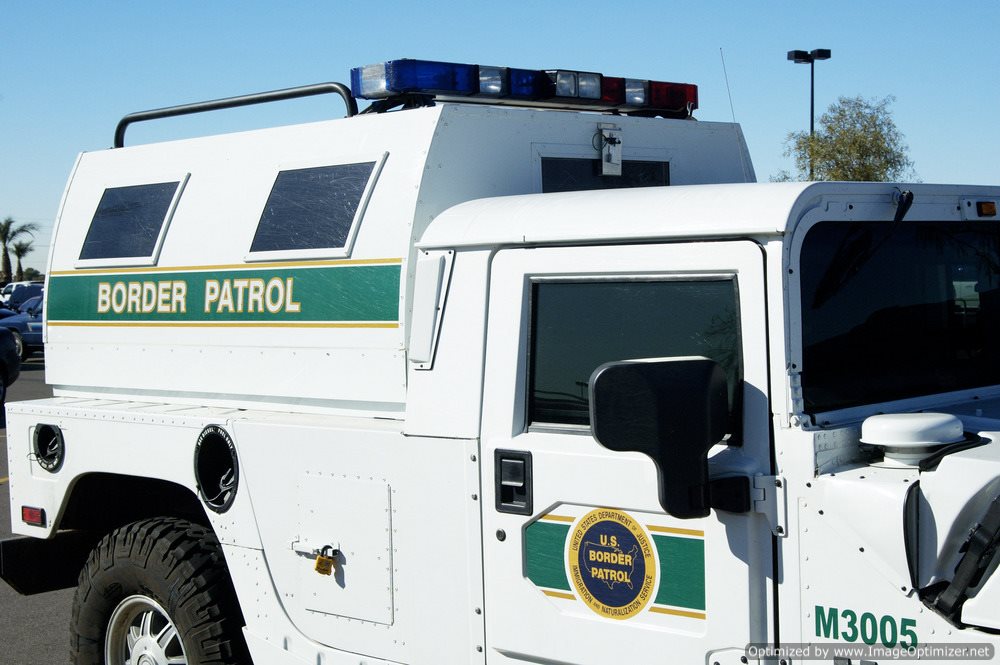
- The United states Border Protection Agency was established in March of 2003; the organization’s preceding agencies were the Immigration inspectors and the United States Border Patrol, some aspects of the United States Department of Agriculture and several functions of the United States Customs Service.
- The United States Customs and Border Protection Agency operates with an annual operating budget of approximately 12 billion dollars.
- The United States Customs and Border Protection Agency maintains status as a federal agency of the United States with a governmental legal personality.
The United States Customs and Border Protection Agency is headquartered in Washington, D.C. and its agency executive is Alen Bersin.
Mission of the United States Customs and Border Protection Agency:
The primary mission of the United States Customs and Border Protection agency is to prevent terrorists, terrorist weapons and the influx of illegal drugs from entering the United States. While this is the primary mission of the agency, the Customs and Border Protection Agency is also responsible for apprehending individuals who attempt to enter the United States in an illegal fashion. All of these goals are intertwined with the organization’s broader mission: protect the United States’ population and the nation’s economic and agricultural interests from harmful smuggling, pests, diseases and an assortment of federal crimes.
What Enforcement Powers does the Customs and Border Protection Agency Use?
The United States Customs and Border Protection Agency utilizes the authority to search outbound and inbound deliveries in its attempt to thwart the influx of contraband or illegal immigrants.
If the Customs and Border Protection Agency obtains illegal goods the organization may enact Section 592 of the Tariff Act of 1930—the most common customs penalty provision for imported goods. This legislation prescribes monetary fines against any individual who imports, attempts to import, aids or procures the importation of merchandise by means of false documents, statements, or omissions concerning material facts.
In addition to monetary fines, the Customs and Border Protection Agency may institute criminal penalties if the individual presents false information to a customs officer. Section 542 of the same act provides a maximum punishment of up to two years in prison or a $5,000 fine or both, for each infraction involving an import or an attempted import.