Brief Guide to the Bureau of Indian Affairs
📅 2026 Update: Recent Developments in the Bureau of Indian Affairs
Since the original article was published, several significant changes have occurred that impact the Bureau of Indian Affairs (BIA) and its operations. These changes reflect ongoing efforts to improve efficiency, transparency, and accountability within federal agencies, including the BIA. The earlier article continues further down the page, providing foundational information about the BIA's role and services.
📜 New Executive Orders and Reforms
In 2025, multiple Executive Orders were signed to enhance federal agency accountability. One of these orders requires agencies to submit draft regulations for White House review. This change aims to make sure that federal agencies, including the BIA, prioritize the needs of the American people and work more efficiently.
- 🔍 Transparency Initiatives: Another significant order focused on eliminating information silos within agencies. This aims to promote inter-agency collaboration and reduce waste and fraud, which could benefit the BIA in its operations.
⚙️ Department of Government Efficiency
In March 2025, the Department of Government Efficiency (DOGE) was established. Its goal is to maximize government productivity and ensure the wise use of taxpayer funds. This department is intended to streamline operations across various federal agencies, including the BIA, potentially leading to better service delivery.
- 💵 Effective Use of Funds: With the establishment of DOGE, there is a focus on achieving billions of dollars in savings for the federal government. This may help improve funding allocations for programs managed by the BIA.
📉 Improper Payments and Accountability
Recent reports from the Biden Administration revealed substantial improper payments in federal spending. Fiscal Year 2023 saw an estimated $236 billion lost due to overpayments and inaccuracies. This concern extends to the BIA, where financial management is crucial.
- ⚠️ Need for Accuracy: These figures highlight the importance of accurate recordkeeping and accountability, which the BIA must prioritize in its financial dealings.
📝 Hiring and Employment Changes
A hiring freeze was initially implemented on January 20, 2025, and extended through July 15, 2025. This freeze affects all federal agencies, including the BIA, and may impact staffing levels and service delivery.
- ⏳ Impact on Services: As hiring remains limited, the BIA may face challenges in meeting the needs of Native American communities, underscoring the need for efficient resource management.
📌 Key Takeaways
- 📜 New Executive Orders promote accountability and transparency in federal agencies like the BIA.
- ⚙️ The Department of Government Efficiency (DOGE) aims to enhance productivity in government operations.
- 📉 Reports show significant improper payments, emphasizing the need for financial accuracy within the BIA.
- 📝 A hiring freeze may impact staffing and service delivery at the BIA.
💡 Tips for Engaging with the Bureau of Indian Affairs
Review your situation carefully with your attorney to understand your options regarding the Bureau of Indian Affairs.
📞 Stay Informed on Changes
Keep up with updates from the BIA. Changes in federal policies can influence how the agency operates and the services it offers.
📝 Know Your Rights
Familiarize yourself with your rights as a Native American individual. The BIA provides various resources to ensure these rights are upheld.
💼 Utilize Available Programs
Explore programs offered by the BIA that can assist with education, land management, and economic development. These programs may provide vital support for individuals and communities.
🔍 Check Eligibility Requirements
Before applying for services, confirm your eligibility. The BIA has specific criteria for various programs, and understanding these can save time.
📣 File Complaints Properly
If you experience issues with BIA services, follow the correct channels to file complaints. This ensures your concerns are addressed appropriately.
🏆 Immigration Services Ranked by User Reviews (2026)
Various services can assist individuals engaging with the Bureau of Indian Affairs, particularly in immigration and related matters. The following list ranks these services based on Trustpilot ratings as of October 2026. It's essential to note that these scores can change over time, and reviews can vary widely based on user experiences.
🥇 1. CitizenPath Immigration Services
CitizenPath has a Trustpilot score of 4.5. It is known for providing immigration application assistance and document preparation services. While many users appreciate its user-friendly platform, some have reported challenges with customer support responsiveness, which can be a critical factor when navigating immigration processes.
🆓 Free Government or Nonprofit Help
While using paid services can be beneficial, there are free options available through government resources and nonprofit organizations. These can provide assistance with immigration and other legal matters related to the Bureau of Indian Affairs. Exploring these resources is advisable for those who might require support without incurring costs.
🔎 Factors to Compare When Choosing a Service
- 🌟 Trustpilot ratings and number of reviews
- 📄 Types of services offered
- 🕒 Processing times for applications
- 📞 Customer support availability and responsiveness
❓ Frequently Asked Questions
❓ What is the role of the Bureau of Indian Affairs?
The Bureau of Indian Affairs oversees federal relations with Native American tribes. It manages programs related to education, land, and economic development.
📅 How can I file a complaint against the BIA?
To file a complaint, follow the designated channels set by the BIA, which usually involve submitting a written complaint through their website or contacting their office directly.
🗂️ What services does the BIA provide?
The BIA provides various services, including assistance with land management, education programs, and economic development initiatives for Native American communities.
💼 Are there job opportunities with the BIA?
Yes, the BIA offers job opportunities in various fields, but potential applicants should be aware of hiring freezes and changes in employment policies.
📜 How does the BIA ensure transparency?
The BIA is affected by recent executive orders aimed at increasing transparency and accountability within federal agencies, which includes regular reporting and public engagement.
🏛️ What recent initiatives has the BIA undertaken?
The BIA is involved in initiatives focused on improving community relations, land management, and economic development opportunities for Native American tribes.
⚖️ Recent Court Cases Related to the Bureau of Indian Affairs
Recent court rulings have influenced the operations and policies of the Bureau of Indian Affairs. These rulings often address issues related to Native American rights, land management, and federal responsibilities.
- Florida court affirms ruling in Bynes v. Department of CorrectionsDistrict Court of Appeal of Florida · March 1, 2021
- Florida court denies doctor’s petition against health departmentDistrict Court of Appeal of Florida · March 25, 2021
- Florida court affirms decision in Mullings v. Department of CorrectionsDistrict Court of Appeal of Florida · April 21, 2021
- Court affirms ruling in Young v. Florida Department of CorrectionsDistrict Court of Appeal of Florida · April 16, 2021
For more information, you can browse more rulings on the news page.
End of October 2026 Update
What is the Bureau of Indian Affairs?
The Bureau of Indian Affairs is an agency of the United States federal government. That operates within the United States Department of the Interior and is solely responsible for the administration and management of approximately 55,700,000 acres of land held in trust for Native American Tribes living in the United States.The Bureau of Indian Affairs is one of two government agencies under the jurisdiction of the Assistant Secretary—the Bureau of Indian Education is the other.
Bureau of Indian Affairs Quick Facts:
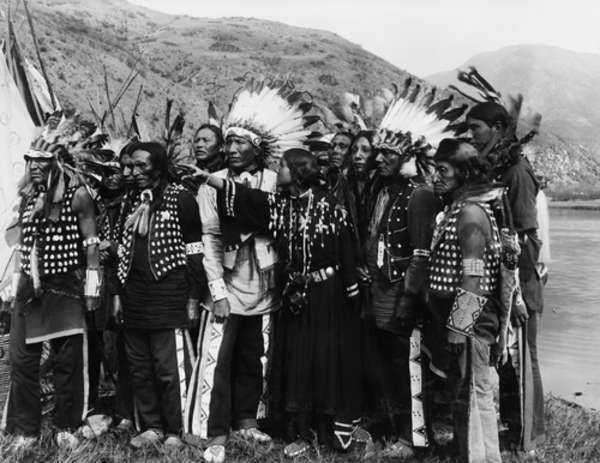
• The Bureau of Indian Affairs was formed on March 11th of 1824; the preceding agency was known as the Office of Indian Affairs.
• The Bureau of Indian Affairs maintains jurisdiction over the Federal Government of the United States.
• The headquarters for the Bureau of Indian Affairs are located at 1849 C Street in the Northwestern portion of Washington, D.C.
• The Bureau of Indian Affairs operates with approximately 8,700 employees and with an annual operating budget of nearly $2.5 billion.
• The current agency executive for the Bureau of Indian Affairs is Larry EchoHawk; the Deputy Bureau Director is Michael Smith.
• The parent agency to the Bureau of Indian Affairs is the United States Department of the Interior.
What does the Bureau of Indian Affairs do?
As stated earlier, the Bureau of Indian Affairs is responsible for administering and managing sovereign Indian land in the United States. This job function carries a number of responsibilities and legal issues, revolving around the fair treatment of Native Americans and the proper obtainment of government-subsidized services and products.
Currently, the Bureau of Indian Affairs is attempting to evolve from a supervisory position to an advisory role.